Study: This is How a High-Cholesterol Diet Increases Colon Cancer Risk
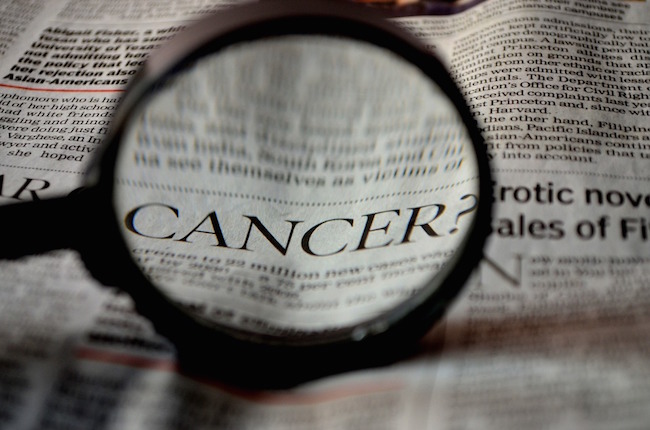
Study: This is How a High-Cholesterol Diet Increases Colon Cancer Risk by Seth Pollard for Natural Society An increasing number of scientists now say that cholesterol doesn’t cause heart attacks, but eating a high-cholesterol diet may come with other risks, including a higher risk of colon cancer. Now, scientists understand exactly how cholesterol increases that risk. [1] Researchers from the University of California, Los Angeles (UCLA) have discovered a previously-unknown molecular mechanism that promoted the growth of tumors in a study of mice. The authors wrote that as cholesterol levels increased in…
READ MORE

The Gene Code Injection – an experiment on humanity – Interview with Dr. Madej

The Gene Code Injection – an experiment on humanity – Interview with Dr. Madej Whatever you think about the vaccine (which needs no description or other descriptor what-so-ever, you already know what is being discussed) whatever you believe, if you taken it or not, plan on taking it or not – HAVE CHILDREN – you should spend 33 minutes to listen what this medical doctor has to say. Leave the fear behind for a moment and listen.

READ MORE

Six Reasons Why Potatoes Are Good For You

Six Reasons Why Potatoes Are Good For You By Duane Mellor, Aston University via Natural Blaze The humble potato has been given a bad rap. What was once a cheap staple of many countries’ diets has instead been branded in recent years an “unhealthy” food best avoided. Eating too much of any type or group of food (like carbohydrates) isn’t healthy, and some research suggests eating too many potato products in particular might be associated with higher blood pressure. But it’s typically the way we prepare and consume potatoes (like frying them) that cause…

READ MORE

Docuseries “The End Game: The Coming Collapse” Free May 25-June 2

Docuseries “The End Game: The Coming Collapse” Free May 25-June 2 By Neenah Payne for Natural Blaze Register for the docuseries The End Game: The Coming Collapse which will be free online from May 25- June 2 starting at 6PM PST. The promo says: “What you do next matters. There are answers out there, and we’re revealing them. MAY 25th it begins…‍The blinders come off starting Tuesday, 5/25/2021.” The series will be hosted by Dr. Patrick Gentempo, CEO of Revealed Films. While practicing as a chiropractor, Dr. Gentempo co-developed innovative diagnostic technologies, received patents, and built…

READ MORE

Self-Spreading Vaccines Are Under Development

Self-Spreading Vaccines Are Under Development by Dr. Joseph Mercola Whether you are for or against vaccines of any kind, it is hard to ignore the seismic changes that have affected how vaccines have been developed, licensed and regulated during the COVID-19 pandemic.1,2 Some researchers are taking the next step, hoping to develop a new type of vaccine that self-spreads through the environment.3 Since the pandemic was declared by the World Health Organization in early 2020, federal and state lawmakers have been persuaded to build a pandemic response around a single experimental biological…

READ MORE

Prevent aging-related changes and oxidative stress with antioxidant walnuts and chokeberries

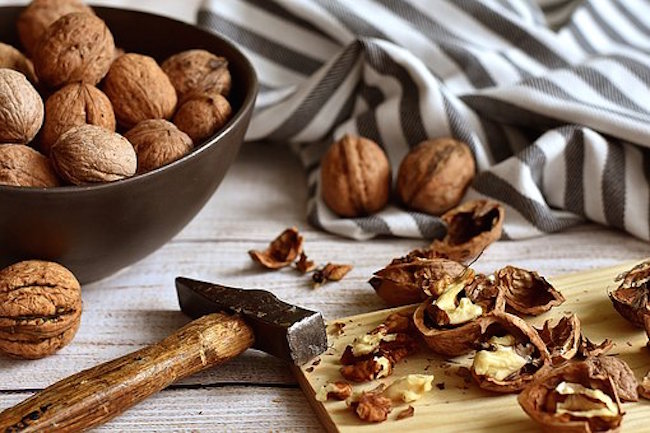
Prevent aging-related changes and oxidative stress with antioxidant walnuts and chokeberries by: Evangelyn Rodriguez for Natural News Juglans regia, commonly known as walnut, is one of the most widely used culinary nuts in modern kitchens. Although many people consider walnuts to be nuts, they are actually the seeds of stone fruits (drupes) produced by the J. regia tree. Walnuts originated in the Mediterranean region and in Central Asia, but because of their many uses, they are now cultivated around the world. Walnuts are known for their abundance of two things: healthy fats and antioxidants. Walnuts are a rich…

READ MORE

Seasonal Allergies? These 6 Foods May Help

Seasonal Allergies? These 6 Foods May Help By GreenMedInfo Research Group When seasonal allergies flare, do you reach for antihistamine drugs that can leave you edgy and dehydrated? If you’d like to explore natural options for your runny nose, sneezing, itchy eyes, and post-nasal drip, these six foods, all rich in nutrients called flavonoids, may help you combat hay fever. The first signs of spring are unmistakable for the allergy-prone: red, watery eyes, congestion, a pervasive tickle in your throat and, of course, fatigue; how do you sleep when you can’t…

READ MORE

The new generation of ‘forever chemicals’ – toxicity, exposure, contamination and regulation

The new generation of ‘forever chemicals’ – toxicity, exposure, contamination and regulation By Alexis Temkin, Ph.D. (EWG) The fluorinated chemicals called PFAS, for per- and polyfluoroalkyl substances, are a class of synthetic, toxic and persistent chemicals used in more than 1,000 consumer and industrial products and applications. After revelations of their health hazards surfaced, the two most notorious PFAS compounds – PFOA, formerly used to make DuPont’s Teflon, and PFOS, formerly an ingredient in 3M’s Scotchgard – were phased out under pressure from the Environmental Protection Agency. They have been replaced by a new generation…

READ MORE

Not just a weed: 5 Ways to use dandelions in your kitchen

Not just a weed: 5 Ways to use dandelions in your kitchen by: Zoey Sky for Natural News Dandelions will pop up just about anywhere, from the side of the road to the middle of your lawn. But don’t get rid of this flowering plant, even though it’s usually considered a pesky weed. Learn how to make soothing dandelion tea or salad using dandelion flowers and leaves. (h/t to ApartmentPrepper.com) Health benefits of dandelions Dandelions, which are common in Europe and North America, are dismissed as weeds. But despite their reputation, dandelions…

READ MORE

Thirty Minutes Of Exercise Won’t Counteract Sitting All Day, But Adding Light Movement Can Help – New Research

Thirty Minutes Of Exercise Won’t Counteract Sitting All Day, But Adding Light Movement Can Help – New Research By Sebastien Chastin, Glasgow Caledonian University and Keith Diaz, Columbia University Medical Center via Natural Blaze It’s recommended we do at least 30 minutes of exercise a day – or 150 minutes a week – to stay healthy. But 30 minutes accounts for just 2% of the day. And many of us spend most of the rest of the time sitting. Research shows that sitting can be bad for our health in many ways – with some even suggesting…

READ MORE